Herăstrău: the Park and Lake Built on the Colentina Marshes
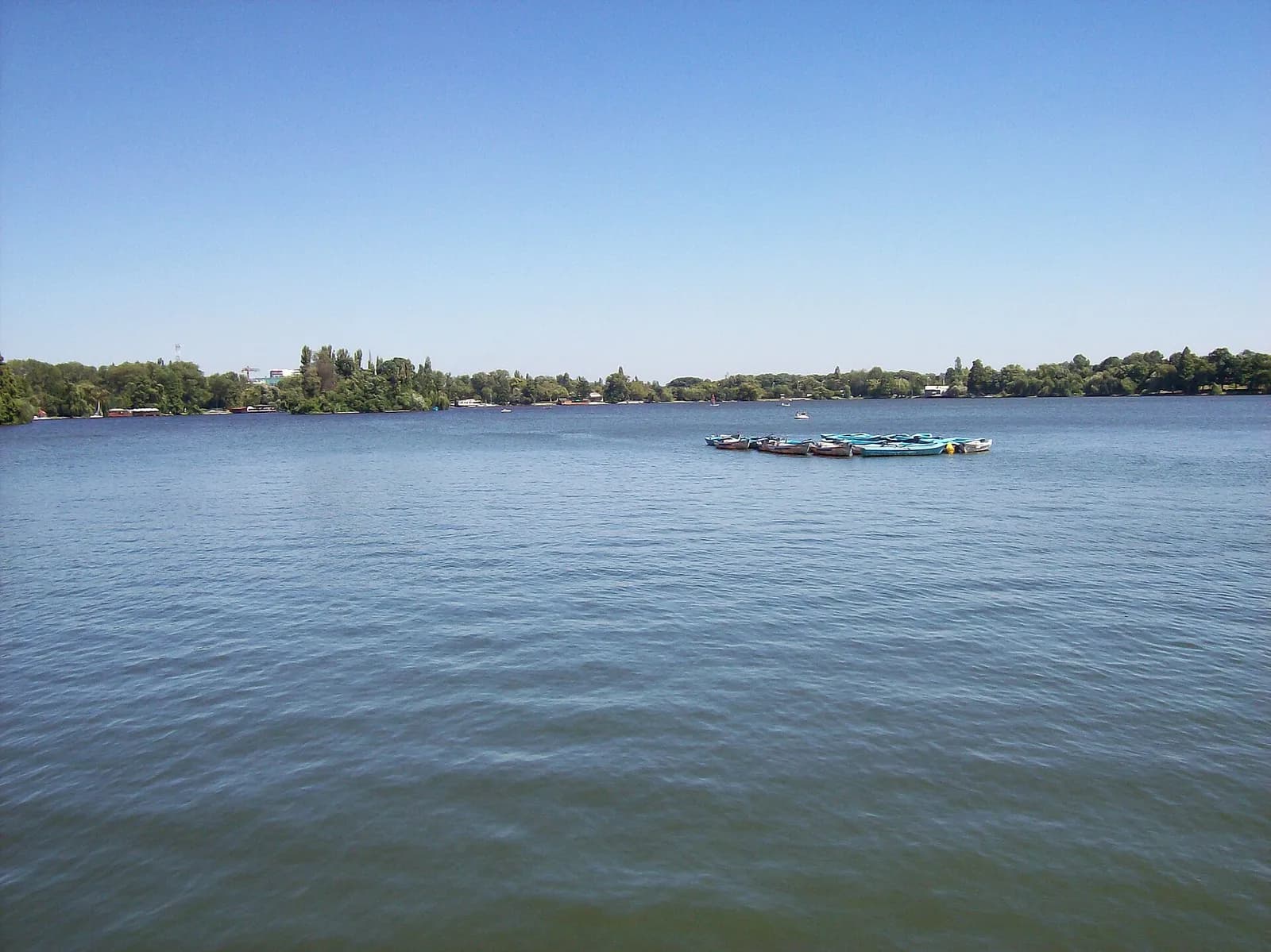
Herăstrău is a park of about 187 hectares, created in the 1930s on the shores of a lake on the Colentina. Since December 2017 its official name has been King Michael I Park.
From Quartier du Nord The Gardens
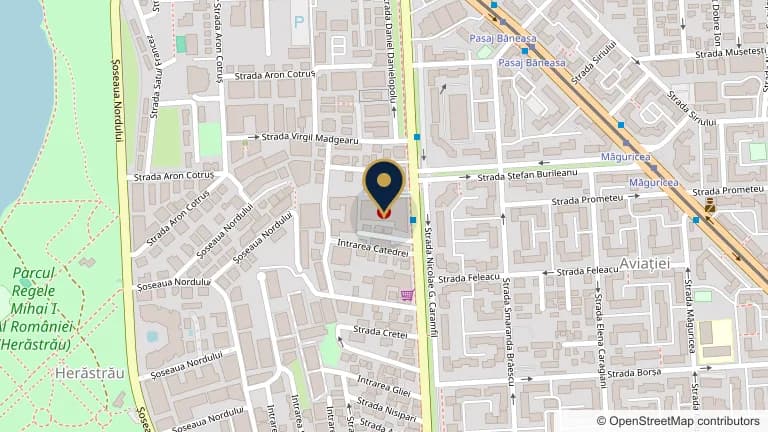
- 3.5 km · about 47 min walk
- 3.6 km by car
Herăstrău is the name of the lake and of the area in the north of Bucharest where the 187-hectare park is located, officially called King Michael I Park since 2017. For someone living in the north, it is the place for a walk near the Village Museum.
Where the name comes from
According to English-language Wikipedia, the name Herăstrău comes from a dialectal form of the word “ferăstrău” (saw). Over time the park has had several names: National Park, Carol II Park and I. V. Stalin Park. The name Herăstrău has been used since 1956, after the statue of Stalin was torn down. On December 19, 2017, the park was renamed King Michael I Park.
How the park came about
The area has been inhabited since prehistory: in a sand quarry at Herăstrău, flint tools from the Mousterian culture and mammoth bones were found, and an Iron Age site, Bordei-Herăstrău, gave its name to an archaeological culture. Prince Alexandru Ipsilanti built an Ottoman-style pavilion on the lakeshore. The shore was the main promenade of the Romanian elite.
Between 1930 and 1935 the Colentina marshes were drained, and in 1933 work began on Lake Herăstrău, completed in 1936, according to Wikipedia. The park was laid out starting in 1936; homes and an industrial enterprise were expropriated. It opened to the public in May 1939.
What you can see today
The park covers about 187 hectares, 74 of which are lake. It is home to the “Dimitrie Gusti” National Village Museum, an open-air museum dedicated to traditional peasant life, and to Elisabeta Palace, the residence of the Royal Family of Romania. There is also an open-air theater, a yacht club, a Japanese garden and a beer hall. Small boats are allowed on the lake.
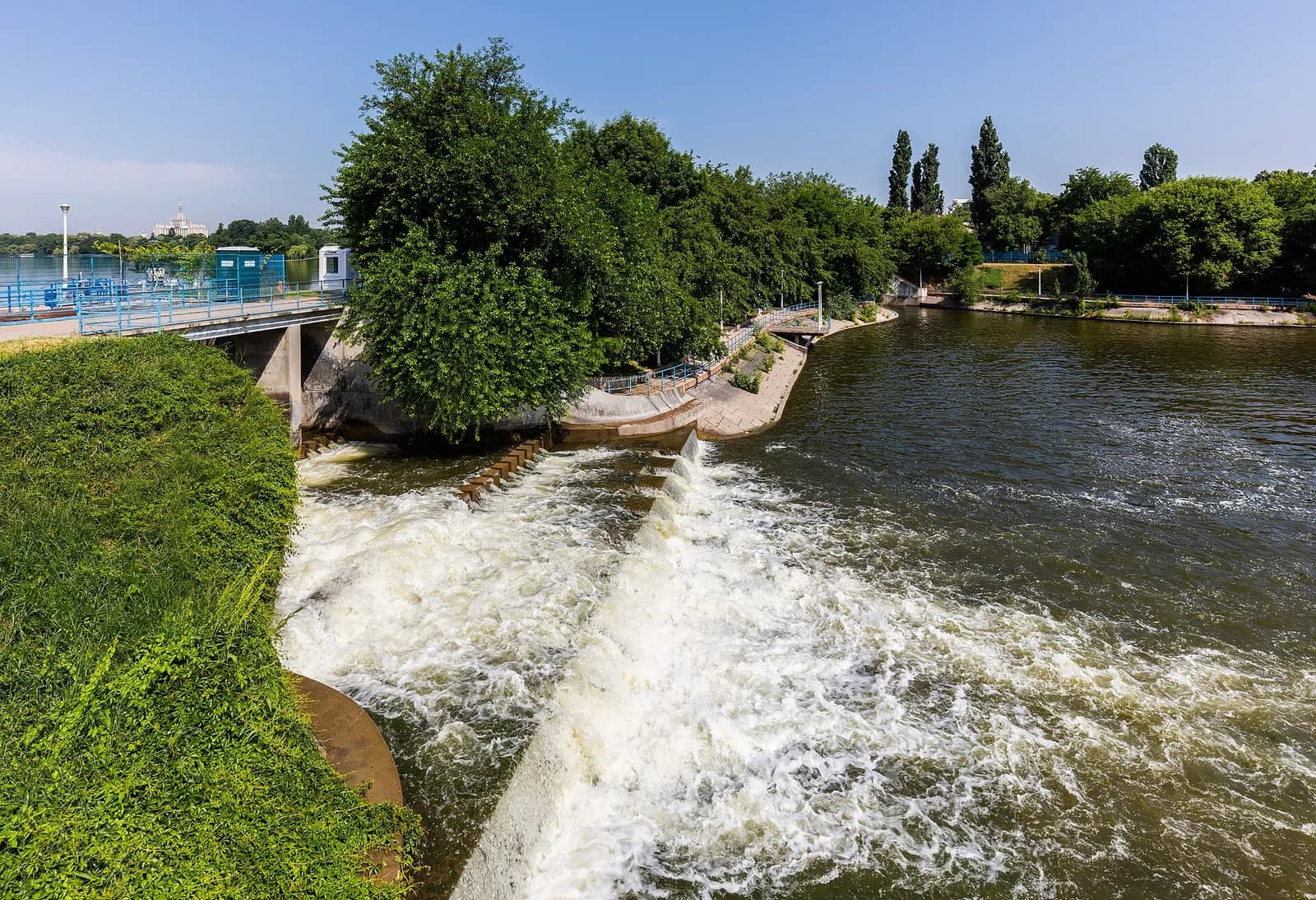
Lake Floreasca is connected to Herăstrău, downstream, by a lock.
Frequently asked questions
Why is it called Herăstrău?
According to English-language Wikipedia, the name comes from a dialectal form of the word “ferăstrău” (saw).
How large is Herăstrău Park?
About 187 hectares, of which 74 are water, according to Wikipedia.
What museums are in the park?
The “Dimitrie Gusti” National Village Museum, an open-air museum.